

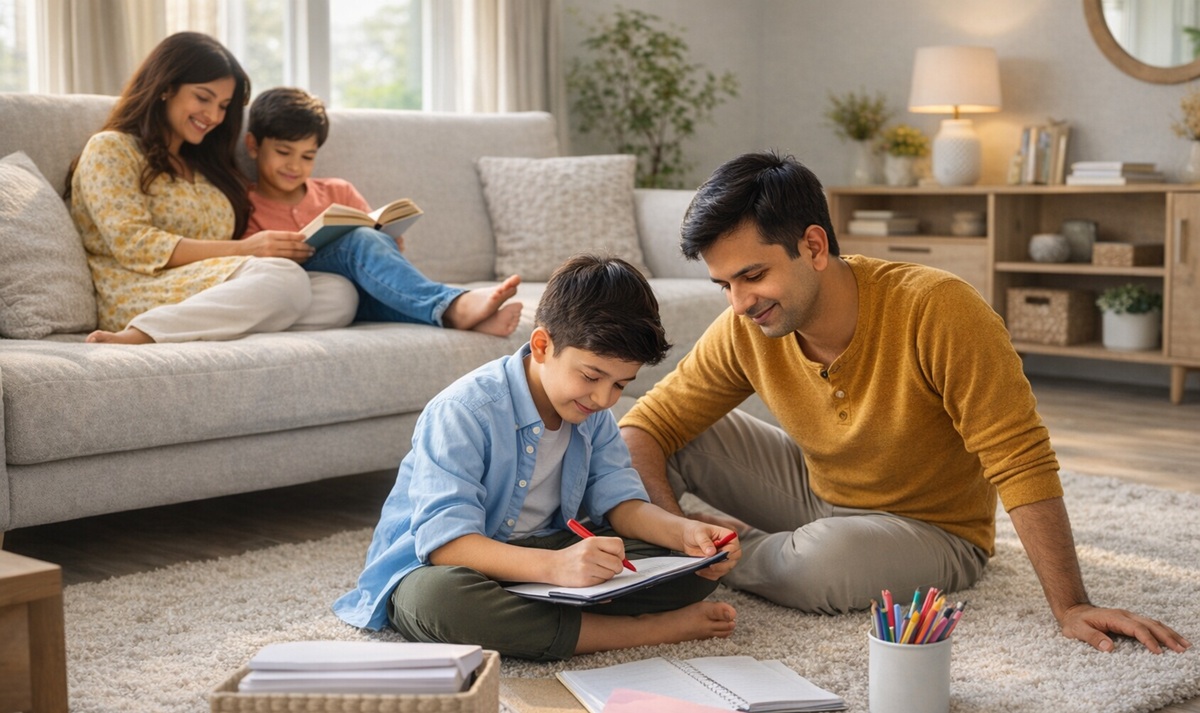
Parenting has a powerful influence on a child’s emotional and mental well-being. In today’s fast-paced world, children face academic pressure, screen exposure, and social challenges at an early age. This makes positive parenting more important than ever. It is not about being permissive or avoiding discipline – it is about guiding children with empathy, consistency, and respect to help them grow into confident and emotionally healthy individuals.
According to child mental health experts, children who experience supportive and nurturing parenting are more likely to develop strong self-esteem, better emotional regulation, and healthy relationships. At Pixie by SKS, Dr. Shinika, Child Psychiatrist in Salem, emphasizes that positive parenting plays a key role in preventing behavioral and emotional difficulties in children.
What is Positive Parenting?
Positive parenting is an approach that focuses on understanding a child’s needs, encouraging good behavior, and building a strong parent-child relationship. Instead of relying on punishment or fear, it uses communication, guidance, and positive reinforcement to teach children responsibility and self-control.
Positive parenting encourages parents to:
- Listen to their child with patience and empathy
- Set clear and consistent rules
- Praise effort and good behavior
- Teach problem-solving and emotional skills
- Create a safe and supportive home environment
This approach helps children feel secure, valued, and understood—factors that are essential for healthy mental development.
Why positive parenting matters for your child’s mental health
Children learn how to manage emotions and handle challenges by observing their parents. When parents respond calmly and supportively, children are more likely to develop resilience and emotional stability. On the other hand, harsh discipline, constant criticism, or inconsistent rules can increase stress and anxiety in children.
Positive parenting supports mental health in several important ways:
1. Builds Self-Confidence
Children who receive encouragement and recognition for their efforts develop a strong sense of self-worth. They feel more confident in their abilities and are more willing to try new things.
2. Improves Emotional Regulation
Positive parenting teaches children how to identify and express their emotions in healthy ways. This reduces tantrums, aggression, and emotional outbursts.
3. Strengthens Parent-Child Relationships
A warm and trusting relationship makes children feel safe to share their thoughts and concerns. This open communication is crucial for identifying emotional or behavioral issues early.
4. Reduces Behavioral Problems
Consistent rules and positive guidance help children understand boundaries and make better decisions. This can reduce issues such as defiance, lying, or aggression.
5. Promotes Better Academic and Social Skills
Children who feel emotionally supported are more likely to focus in school, build friendships, and adapt to new situations.
Simple positive parenting tips for everyday life
Positive parenting does not require perfection – it requires consistency and patience. Small daily actions can make a big difference in your child’s mental health.
- Spend at least 10–15 minutes of quality time with your child each day
- Listen without interrupting or judging
- Use praise to encourage positive behavior
- Set clear routines for sleep, study, and play
- Stay calm during conflicts and guide your child toward solutions
- Limit screen time and encourage physical activity
These simple habits help create a stable and supportive environment where children can thrive emotionally and socially.
When should parents seek professional help?
Sometimes, children may show persistent behavioral or emotional changes that need professional attention. Parents should consider consulting a child mental health specialist if they notice:
- Frequent anger, anxiety, or sadness
- Sudden changes in behavior or school performance
- Difficulty sleeping or concentrating
- Social withdrawal or loss of interest in activities
- Severe tantrums or aggression
Early guidance from a qualified professional can prevent minor concerns from becoming long-term problems.
Supporting your child’s mental health starts at home
Positive parenting is one of the most effective ways to nurture a child’s emotional strength and resilience. By creating a loving, structured, and understanding environment, parents can help their children grow into confident and mentally healthy individuals.
If you have concerns about your child’s behavior, emotions, or development, timely support can make a meaningful difference.
Need a consultation?
Drop us a message or Visit us!